Building a more efficient supply chain starts with understanding how goods, information, and resources move through every stage of the business. From sourcing and production to warehousing, transportation, and final delivery, each step can affect costs, speed, and customer satisfaction. A clear view of the entire supply chain helps businesses identify inefficiencies and make better operational decisions.
The first step is to improve planning and demand forecasting. Understanding customer demand can help businesses maintain the right inventory levels and avoid unnecessary overstocking or shortages. By reviewing historical sales data, market trends, seasonal demand, and customer behavior, companies can create more accurate forecasts and plan purchasing, production, and distribution more effectively.
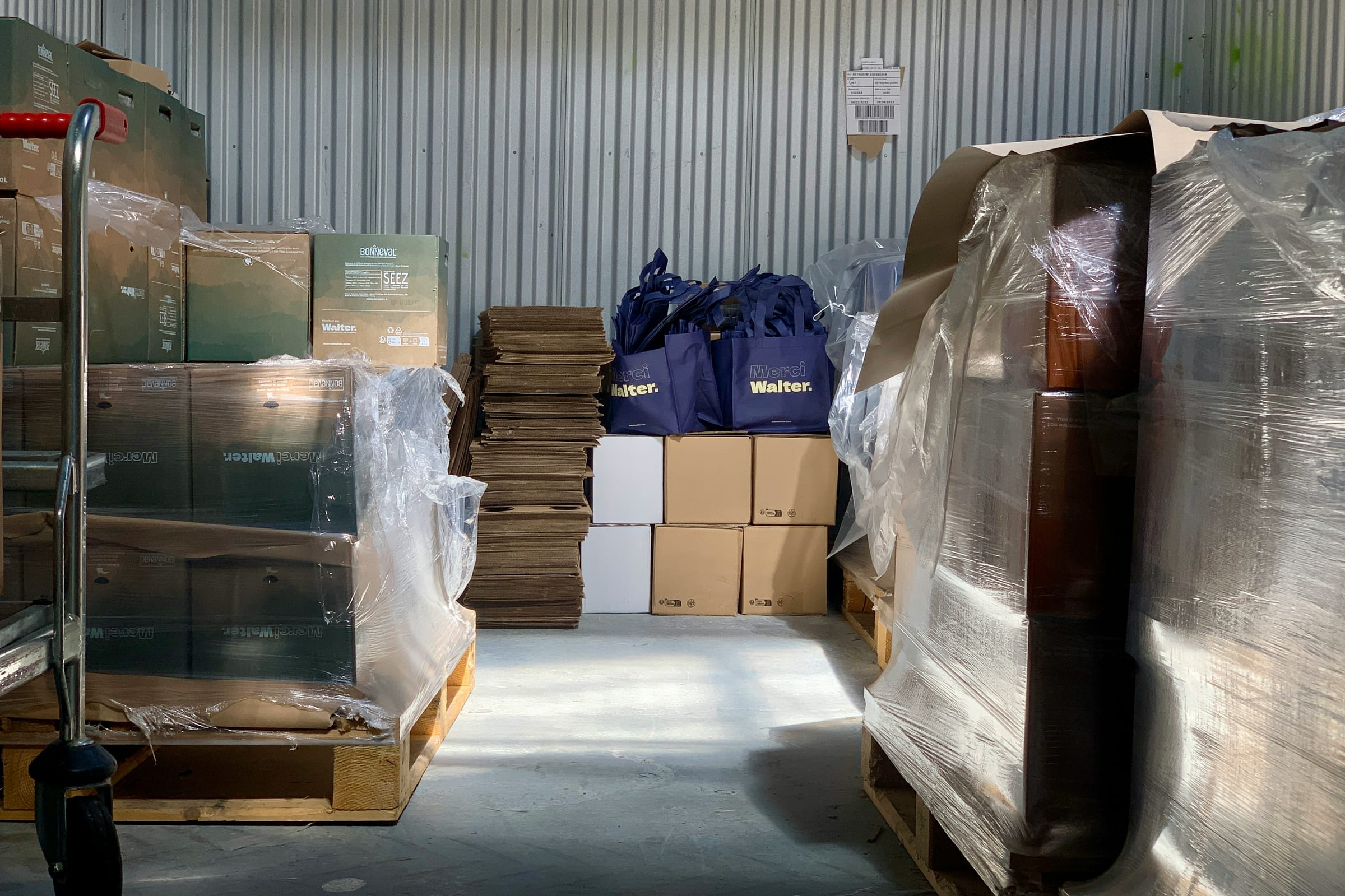
Inventory management also plays a major role in supply chain efficiency. Businesses should know what products are available, where inventory is stored, and when stock needs to be replenished. Organized warehousing, accurate inventory records, and regular stock monitoring can reduce errors while helping businesses respond faster to customer orders.
Transportation should be reviewed regularly to identify opportunities for better routing and consolidation. Choosing the appropriate combination of ocean, air, road, or multimodal transportation can help balance cost and delivery speed. Businesses can also improve efficiency by consolidating shipments, optimizing delivery routes, and selecting transportation partners based on reliability and service quality.
Technology can provide greater visibility across the supply chain. Shipment tracking, inventory management systems, automated notifications, and digital documentation can reduce manual work and provide teams with more accurate information. Real-time visibility also makes it easier to identify delays and take action before they significantly affect operations.
Strong communication between suppliers, logistics providers, warehouses, and customers is another important factor. When information is shared quickly and accurately, businesses can respond more effectively to changes in demand, shipment delays, inventory issues, or other unexpected events. Clear communication can also reduce misunderstandings and improve coordination across different teams.
Businesses should also measure supply chain performance using meaningful metrics. Key indicators such as on-time delivery, inventory accuracy, transportation costs, order fulfillment times, and shipment damage rates can reveal where improvements are needed. Regularly reviewing these metrics allows companies to make data-driven decisions and continuously improve their operations.
An efficient supply chain is not built through a single change but through continuous improvement across planning, inventory, transportation, technology, and communication. By connecting these areas and working with reliable logistics partners, businesses can reduce unnecessary costs, improve delivery performance, increase visibility, and create a supply chain that is ready to support long-term growth.